
Spending time outdoors in Queensland comes with a trade-off: our intense sun exposure is one of the primary culprits behind premature skin ageing, stubborn sun spots, and uneven skin tone.
If you have noticed freckles darkening, flat brown patches appearing on your cheeks, or pigmented spots lingering on your hands and décolletage, you are not alone. Understanding the type of pigmentation you are dealing with is the crucial first step to safely clearing it.
Pigmentation is produced by cells called melanocytes, which generate melanin (the pigment that gives our skin its colour). When the skin is exposed to UV radiation, melanocytes produce extra pigment as a protective shield to defend skin cells from further DNA damage.
Over years of accumulated sun exposure, this pigment ceases to distribute evenly and clusters into concentrated deposits. The most common forms include:
Solar Lentigines (Sun Spots & Age Spots): Well-defined, flat brown or tan patches that typically appear on sun-exposed areas such as the face, décolletage, shoulders, and backs of the hands.
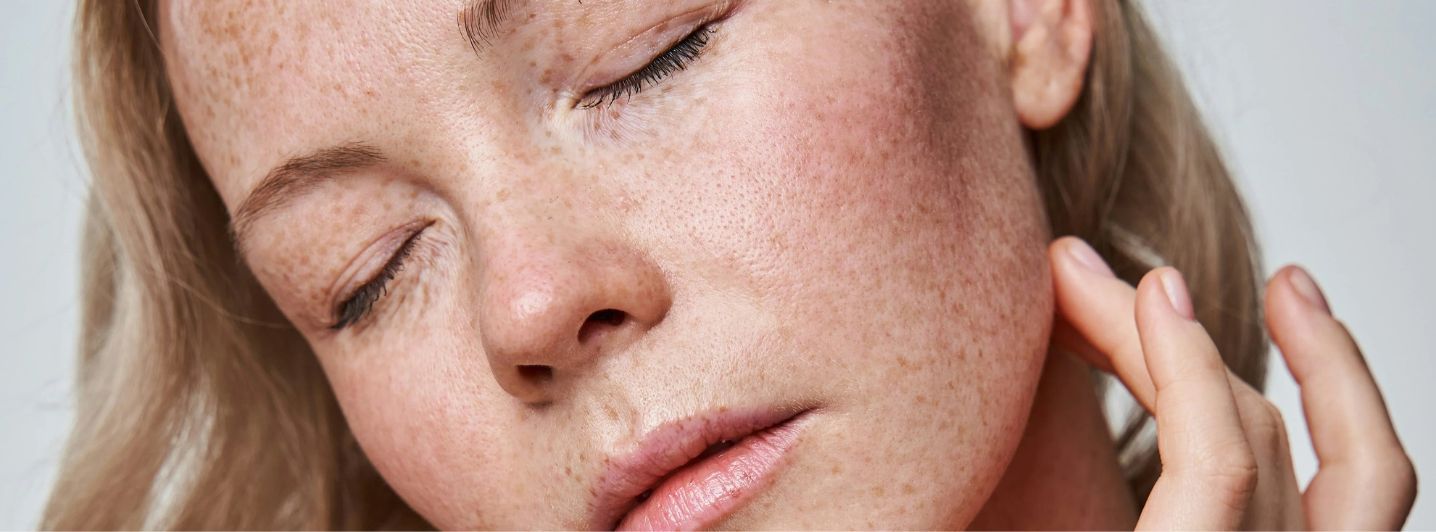
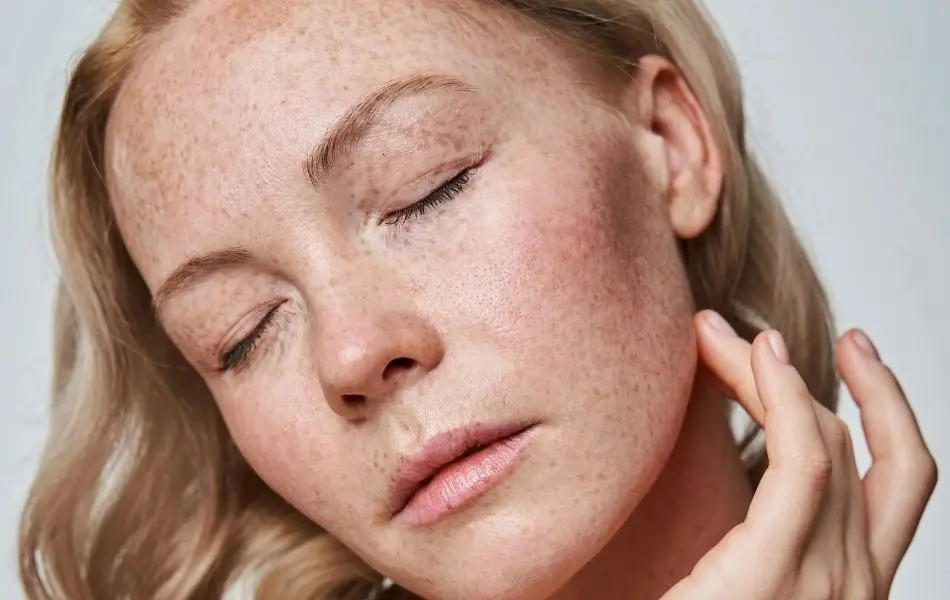
Ephelides (Freckles): Genetically linked spots that become darker and more prominent with sun exposure.
Post-Inflammatory Hyperpigmentation (PIH): Darkened patches left behind after skin trauma, blemishes, or active breakouts heal.
Melasma: A deeper, hormonally influenced pigmentation condition often triggered by pregnancy, heat, or hormonal fluctuations, requiring a distinct, gentle management plan.
While active skincare ingredients like vitamin C, niacinamide, and retinoids are essential for cellular maintenance and preventing new pigment synthesis, they often struggle to reach dense, long-standing pigment clusters trapped deeper within the dermal layers.
Medical-grade laser technology addresses this by targeting the melanin deposits directly.
Selective Photothermolysis: The laser emits a precise wavelength of concentrated light energy specifically calibrated for melanin absorption.
Pigment Fragmentation: The energy passes safely through the upper skin layer without cutting the surface, selectively shattering the dense pigment into microscopic particles.
Natural Clearance: The body’s natural lymphatic and immune system processes and eliminates the fragmented pigment, while the surface pigment gradually darkens, forms a superficial crust (often described as resembling fine coffee grounds), and sheds naturally over 7 to 14 days.
Treating superficial pigmentation with a medical-grade laser is a non-invasive, structured clinical process:
The Sensation: Most clients describe the feeling as a quick, snapping sensation against the skin. Integrated cooling mechanisms help maintain continuous surface comfort throughout the appointment.
Immediate Post-Treatment: Mild redness or warmth similar to a light sunburn is common and typically resolves within a few hours.
The “Coffee Ground” Phase: Over the next 48 to 72 hours, targeted spots will temporarily look darker. This is a positive indicator that the pigment has absorbed the thermal energy. As epidermal turnover occurs, these micro-crusts naturally flake away to reveal clearer, brighter skin underneath. It is essential not to pick or scratch the area during this healing window.
Achieving an even, radiant complexion requires strict protection of the treated barrier:
Sun Avoidance: Avoid active sun exposure, tanning, and solariums for at least 2 to 4 weeks before and after your session.
Broad-Spectrum SPF 50+: Daily, diligent application of high-factor sunscreen is mandatory to protect the delicate fresh skin and prevent recurrence.
Pause Active Ingredients: Temporarily suspend AHAs, BHAs, retinoids, and physical exfoliants for 5 to 7 days post-treatment.
Gentle Hydration: Support skin barrier repair using bland, calming moisturisers rich in ceramides and soothing panthenol.
Because different forms of pigment respond differently to thermal energy—and conditions like melasma require distinct handling compared to standard sun damage—every treatment must begin with a comprehensive clinical skin evaluation.
A dedicated assessment and test patch ensure your skin tone is matched to the correct laser parameters, protecting your skin barrier while targeting unwanted pigmentation with precision.
Book your targeted pigmentation consultation and skin assessment today to start your journey towards even, revitalised skin.
Experience the science of high-performance skin rejuvenation. At Daisy Dermal Clinic, we combine clinical expertise with bespoke rituals designed to restore your natural architecture and reveal your most radiant complexion.